
Did you know that most ADU and home addition projects in the Bay Area stall before they even start because of one overlooked step: demolition? Before any accessory dwelling unit or expanded living space can take shape, the existing structure, slab, or obstruction has to come down safely and correctly. That is exactly where hard demolition ADU home addition Bay Area planning becomes essential, and it is the first thing homeowners should understand before hiring a contractor.
In this guide, we will walk through what hard demolition really involves, why it matters for ADU and addition projects, how a hard demolition ADU home addition Bay Area timeline typically unfolds from permits to cleanup, and the mistakes that cause costly delays. Continue reading to discover how a properly executed hard demolition ADU home addition Bay Area plan sets the foundation for a project that actually gets finished.
What Is Hard Demolition in an ADU or Home Addition Project?
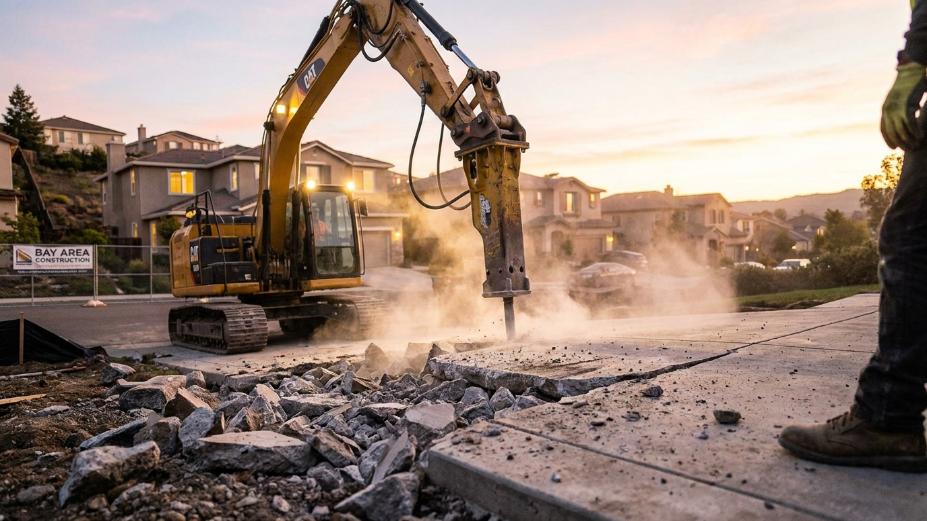
Hard demolition refers to the structural removal of concrete slabs, foundations, load-bearing walls, garages, sheds, or entire portions of a home using heavy equipment such as excavators, skid steers, and jackhammers. Unlike soft demolition, which focuses on interior finishes like drywall, cabinetry, and fixtures, hard demolition deals with the bones of a structure, which is precisely why any hard demolition ADU home addition Bay Area plan needs an experienced crew from day one.
For homeowners across the Bay Area, hard demolition ADU home addition Bay Area work typically includes:
- Breaking and removing concrete driveways, patios, or pool decks that sit where the new unit will go
- Demolishing detached garages or sheds being converted or replaced by an ADU
- Removing load-bearing walls to open space for a home addition
- Excavating soil to prepare for new foundations
- Disconnecting and capping utilities before structural removal begins
Because ADUs and additions in cities like Concord, Richmond, Walnut Creek, and Oakland often sit on lots with existing concrete or outbuildings, hard demolition is rarely optional. It is the groundwork, quite literally, for everything that follows.
Why Hard Demolition Matters for ADU and Home Addition Projects
A rushed or improperly handled hard demolition ADU home addition Bay Area project can create problems that surface months later: uneven foundations, drainage issues, or code violations that halt inspections. Getting this phase right protects the timeline and the structural integrity of the finished space.
It Sets the Foundation for Everything Else
New construction depends on a clean, level, and properly compacted site. If demolition debris, old rebar, or unstable soil is left behind, the foundation poured for your ADU or addition can settle unevenly over time.
It Keeps the Project Code-Compliant
Bay Area municipalities require permits for structural demolition, and inspectors check that utilities were properly disconnected and that debris was hauled away according to local ordinance. Skipping this oversight is one of the fastest ways to get a stop-work order on a hard demolition ADU home addition Bay Area job.
It Protects Neighboring Structures
Homes in Bay Area neighborhoods sit close together. Careless use of heavy equipment during hard demolition can damage fences, shared walls, or utility lines belonging to neighbors, creating liability issues for homeowners.
How the Hard Demolition Process Works: Step by Step
Every hard demolition ADU home addition Bay Area project follows a similar sequence, even though the scope varies from job to job.
1. Site Assessment and Planning
A contractor walks the property to identify what needs to come down, where utility lines run, and whether any structures share walls or foundations with the main house. This step also confirms the scope matches what your ADU or addition design requires.
2. Permitting
Local building departments require permits before structural demolition begins, particularly when load-bearing elements, foundations, or utility disconnections are involved. Homeowners can review current ADU regulations directly through the California Department of Housing and Community Development before scheduling any work. Permit timelines vary by city, so any hard demolition ADU home addition Bay Area schedule should account for this step as early as possible.
3. Utility Disconnection
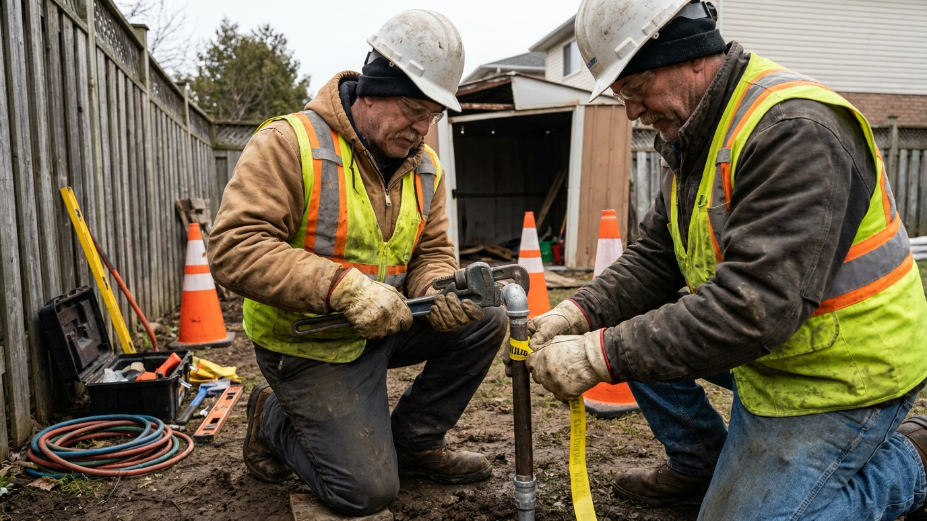
Gas, water, sewer, and electrical lines connected to the structure being removed must be safely capped or rerouted before equipment arrives on site.
4. Equipment Mobilization
Excavators, skid steers, jackhammers, and dump trucks are brought to the property. Access points are planned carefully, especially on narrower Bay Area lots, since every hard demolition ADU home addition Bay Area site presents its own logistical challenges.
5. Demolition and Debris Removal
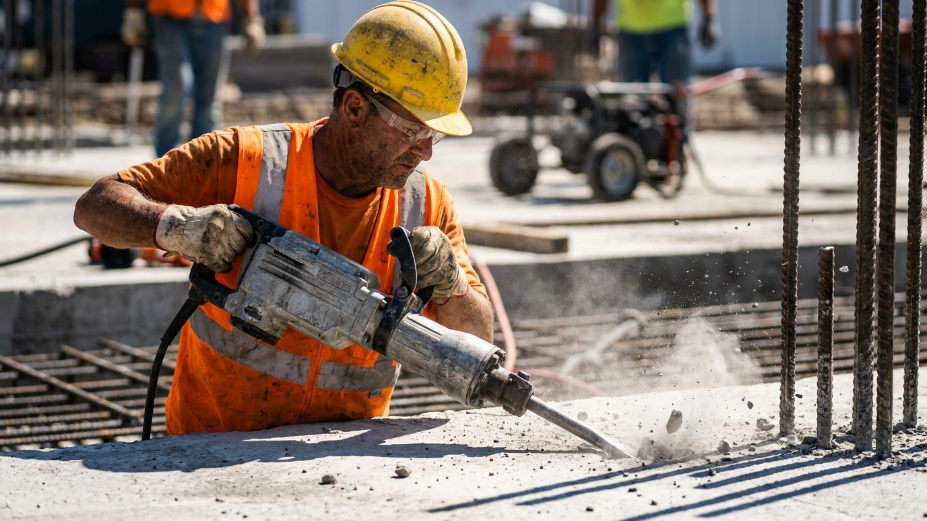
Concrete, framing, and foundation material are broken down and hauled away. A well-run hard demolition ADU home addition Bay Area crew separates recyclable materials like concrete and metal from general debris, which can reduce landfill impact.
6. Site Grading and Preparation
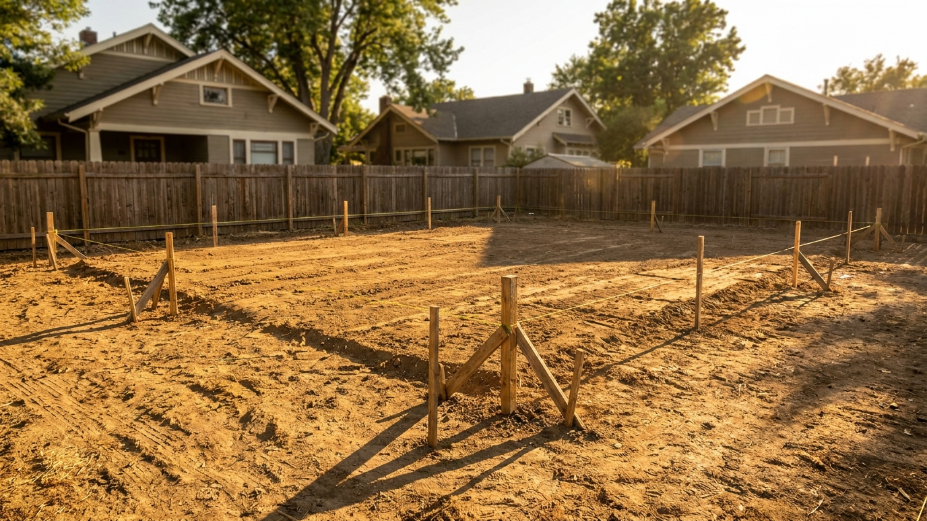
Once debris is cleared, the site is graded and compacted so it is ready for the foundation work that comes next, whether that is a new ADU pad or an addition footprint. This final step is what makes a hard demolition ADU home addition Bay Area project ready for the building phase.
Common Mistakes Homeowners Make with Hard Demolition
Even a straightforward hard demolition ADU home addition Bay Area project can run into trouble when a few common mistakes go unaddressed.
- Skipping the permit step. Some homeowners assume demolition does not require approval, which leads to stop-work orders and fines.
- Choosing a crew without structural experience. Removing a load-bearing wall or slab without proper shoring can compromise the rest of the home. Directories such as Angi and Houzz can help homeowners cross-check licensing and reviews before hiring.
- Underestimating utility disconnection. Damaged gas or water lines during demolition create safety hazards and expensive repairs.
- Ignoring debris hauling logistics. Leftover concrete and material piles delay inspections and site grading.
- Not coordinating demolition timing with the ADU or addition build schedule. A gap between demolition and the start of construction leaves the site exposed to weather and erosion.
Every homeowner we work with benefits from avoiding these pitfalls by hiring a crew that treats demolition as the first phase of construction, not a separate afterthought.
What a Professional Hard Demolition Crew Brings to Your ADU or Addition
At Cicarelli Contractor, hard demolition is handled as part of a full-service approach to remodeling and new construction. The team manages hard demolition and excavation with the same attention to detail used across outdoor living space builds and full home transformations.
Homeowners across Richmond, Concord, Walnut Creek, and the greater Bay Area rely on experienced crews for hard demolition ADU home addition Bay Area work because the process touches structural safety, permitting, and site logistics all at once. You can review the portfolio of pool and structure demolition projects to see how careful equipment handling and site cleanup are approached from start to finish.
Google reviews for Cicarelli Contractor consistently mention communication throughout the demolition and build process, with homeowners noting that crews kept them informed at every stage, from the first walkthrough to final grading. That kind of transparency matters most during the demolition phase, when homeowners cannot always see what is happening beneath the surface of their project.
Hard Demolition Before an ADU: What to Expect
When the goal is a new accessory dwelling unit, hard demolition ADU home addition Bay Area planning usually starts with removing whatever currently occupies the footprint, whether that is an aging garage, a section of patio, or an unused shed. Local Bay Area cities such as Concord and Richmond have accelerated ADU permitting in recent years, which means demolition scheduling often needs to move just as quickly to keep the overall build on track.
Hard Demolition Before a Home Addition: What to Expect
For a home addition, a hard demolition ADU home addition Bay Area crew usually takes a more surgical approach. Instead of clearing an entire structure, crews may need to remove a section of exterior wall, a portion of roofline, or interior load-bearing walls to tie the new space into the existing home. This type of hard demolition ADU home addition Bay Area work requires careful shoring and temporary support so the rest of the house remains structurally sound during construction.
Case Study: From Old Garage to New ADU Foundation
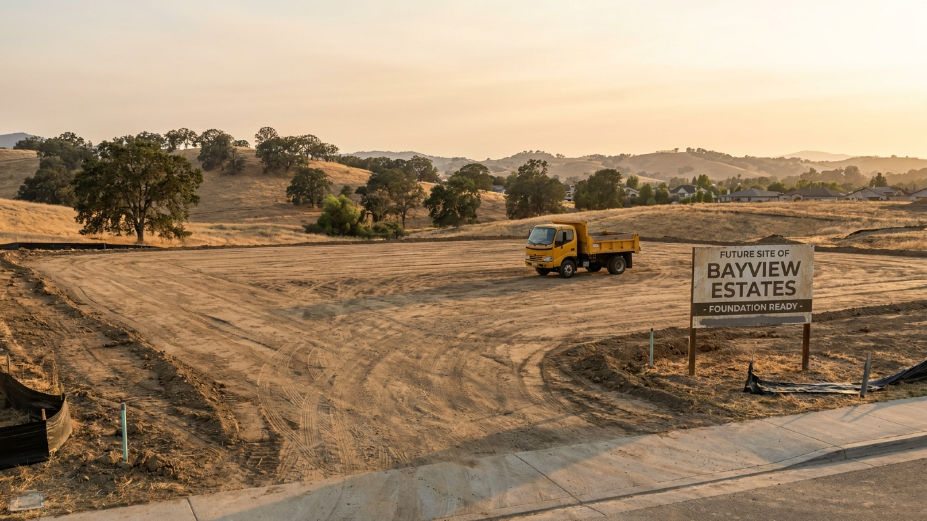
A Concord homeowner reached out to Cicarelli Contractor with a detached garage that had not been used in years and a goal of converting the space into a rentable ADU. The crew handled the full hard demolition ADU home addition Bay Area scope: disconnecting utilities, breaking and removing the garage slab, and grading the site for the new foundation. Because permitting and demolition were coordinated together, the homeowner avoided the common gap between teardown and construction start that often stalls similar projects in the area.
Frequently Asked Questions
Does hard demolition require a permit in the Bay Area?
Yes. Most Bay Area cities require a demolition permit whenever structural elements, foundations, or load-bearing walls are involved, especially ahead of an ADU or home addition build.
How long does hard demolition take before an ADU build can start?
Timelines vary based on the size of the structure being removed and permit processing, but a well-planned hard demolition ADU home addition Bay Area project typically moves through demolition and site prep within a focused window before foundation work begins.
Can hard demolition damage my existing home?
It can if handled carelessly, which is why shoring, careful equipment use, and experienced crews matter, particularly when removing walls that connect to the main structure.
What happens to the debris after hard demolition?
Concrete, metal, and other materials are hauled away and, where possible, recycled rather than sent entirely to landfill.
Is hard demolition included in ADU or addition project quotes?
It is typically scoped as part of the overall project since it directly affects the foundation and structural work that follows.
Ready to Start Your ADU or Home Addition the Right Way?
A successful hard demolition ADU home addition Bay Area project starts with a team that understands both the structural and permitting sides of the work. Cicarelli Contractor has handled demolition, remodeling, and outdoor construction projects throughout Richmond, Concord, and the wider Bay Area. Explore the full range of services or check out recent work in the blog before reaching out.
Ready to begin your hard demolition ADU home addition Bay Area project? Contact Cicarelli Contractor today to schedule a site walkthrough, or read about the warranty and maintenance program that follows every completed build.
Cicarelli Contractor
Address: Richmond, CA 94805
Phone: (650) 404-7049
Email: info@cicarellicontractor.com
Office Hours: Monday – Friday 9 AM – 5 PM, Saturday 9 AM – 2 PM
