
Outdoor Living Space ROI: Backyard Improvements That Add Value in the Bay Area
Which outdoor projects pay back at resale? National NAR data on patios, decks, kitchens and fire pits, plus the Bay Area factors that change…
Quick answer
Paver walkway cost depends on size, paver type, excavation, base depth, access and drainage. Bay Area quotes vary with local labor, hillside access and demolition, so ask for a written, line-item estimate for your site.
Related service: Outdoor living services
A paver walkway is one of the most visible upgrades you can make, whether it is a front entry in Berkeley, a side-yard path in San Rafael or a garden walk in Pleasanton. It is also a project where quotes can differ widely for the same length of path.
This guide is for Bay Area homeowners budgeting a paver walkway in 2026. We do not publish prices, because site conditions change the number too much. Instead, we explain the cost drivers, share attributed national figures and show you how to compare quotes line by line.
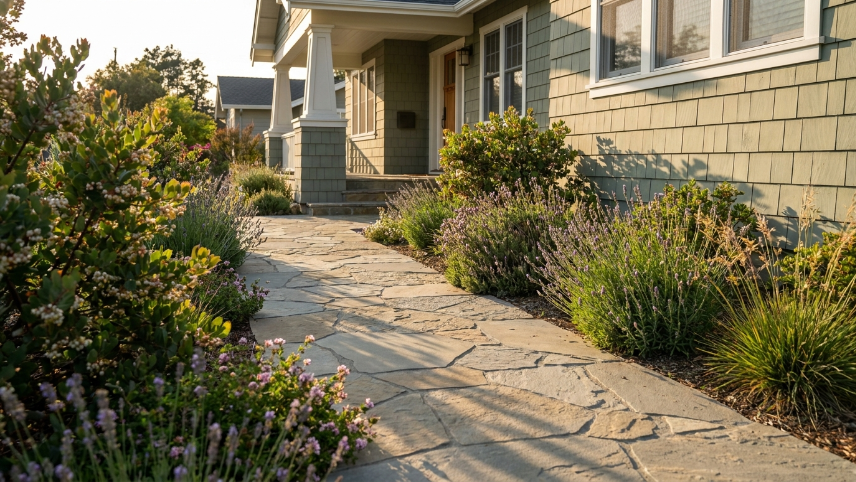
There is no honest single number for a paver walkway, because the same length can need very different base work, demolition and access. A written, line-item estimate built on your measurements is the only figure worth comparing; the rest of this guide shows what goes into it.
The paver you choose is one of the biggest variables. This table compares the common materials by what matters on a walkway, not by price.
| Paver material | What to know |
|---|---|
| Concrete brick pavers | Wide choice of shapes and colors; ask about the manufacturer warranty |
| Clay brick pavers | Classic look that suits many older homes |
| Slate pavers | Natural stone texture; thickness and flatness vary |
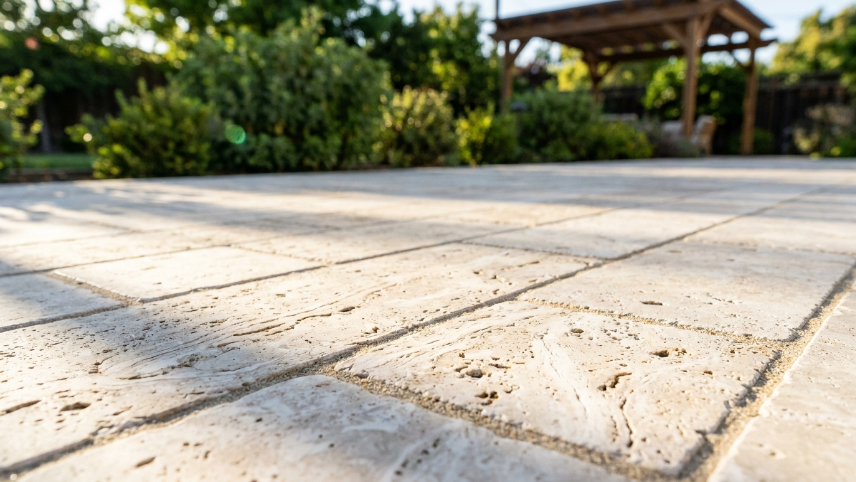
| Natural stone pavers | Flagstone, travertine and others; widest price spread |
For a sense of scale, NAR’s 2023 Remodeling Impact Report described an “overall landscape upgrade” built around a 3-by-30-foot natural flagstone front walkway with planters, shrubs and a tree, and estimated its national cost at $9,000. Scope, not just square footage, sets the budget.
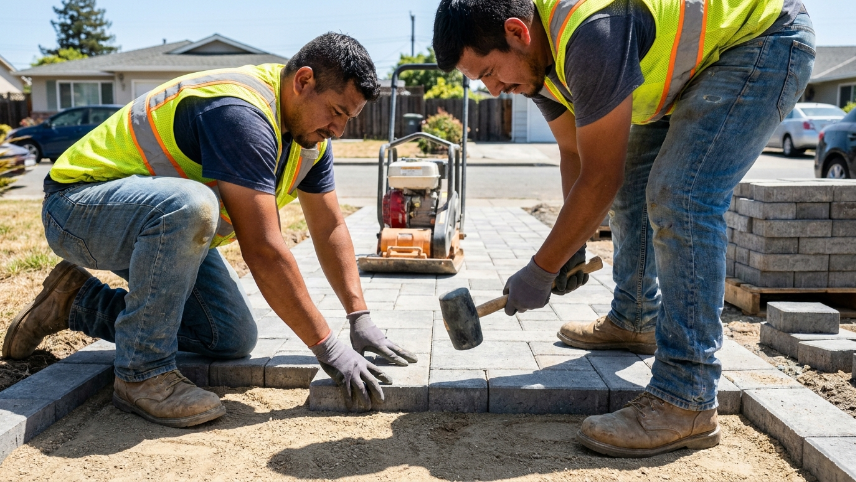
Site preparation drives cost more than the pavers themselves. Removing an old concrete path, excavating and hauling soil, building a compacted base, adding drainage, working around slopes or steps and moving material through a narrow side yard all add labor. Pattern complexity and the number of cuts matter too, especially on curved paths.
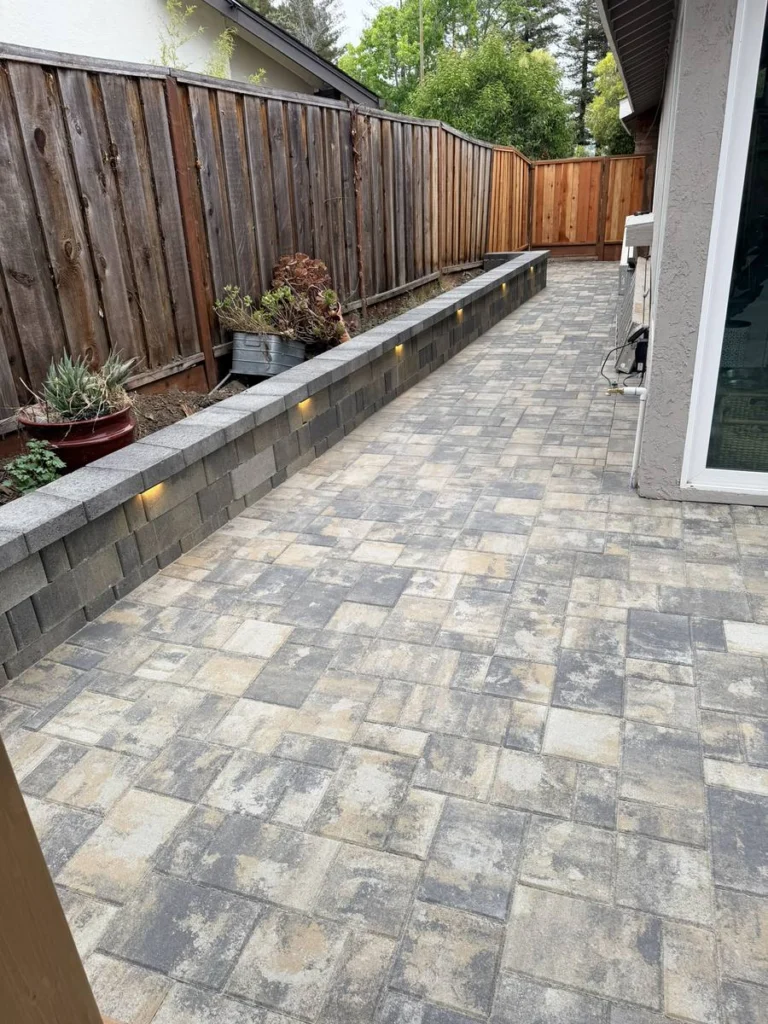
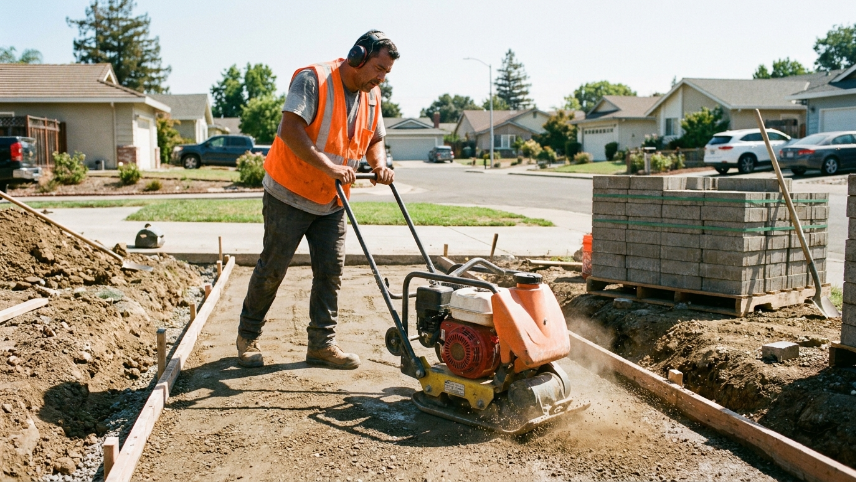
Usually not up front. A poured concrete path is typically cheaper to install because it goes in as one slab, while pavers are set by hand over a compacted base. Pavers can make up ground over time, because a settled or cracked section can be lifted and reset with the same units instead of being cut out and repoured.
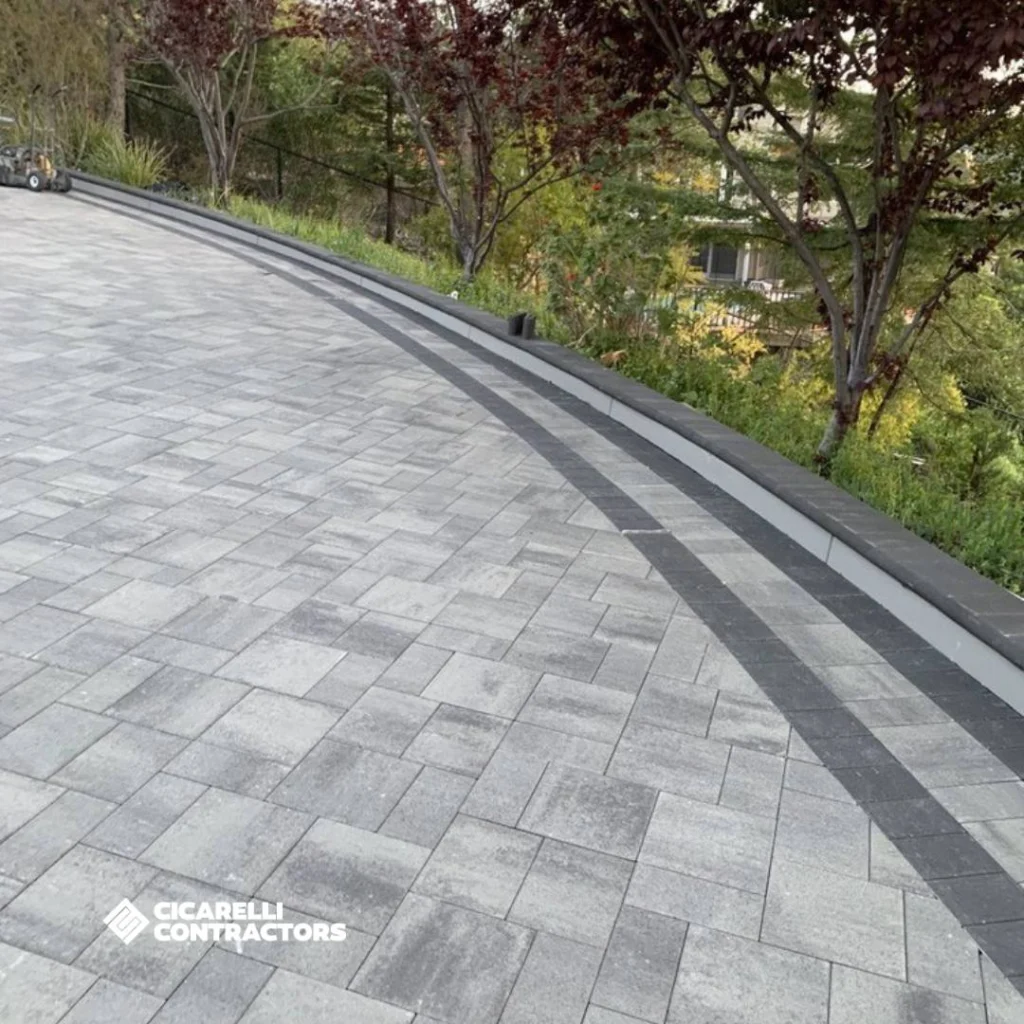
The CMHA maintenance guide for interlocking concrete pavement notes that undamaged pavers should be kept for reinstatement and that a properly repaired area soon becomes undetectable. That matters on Bay Area lots where tree roots or soil movement eventually push on any walkway.
We compare the two materials in detail in concrete vs. pavers for Bay Area driveways and patios.
Concrete pavers usually fit the widest range of budgets and styles, clay brick suits traditional homes, and natural stone such as flagstone or travertine costs the most but gives a one-of-a-kind look. The right choice balances budget, the style of the house, how slippery the surface gets when wet and the warranty behind the product.
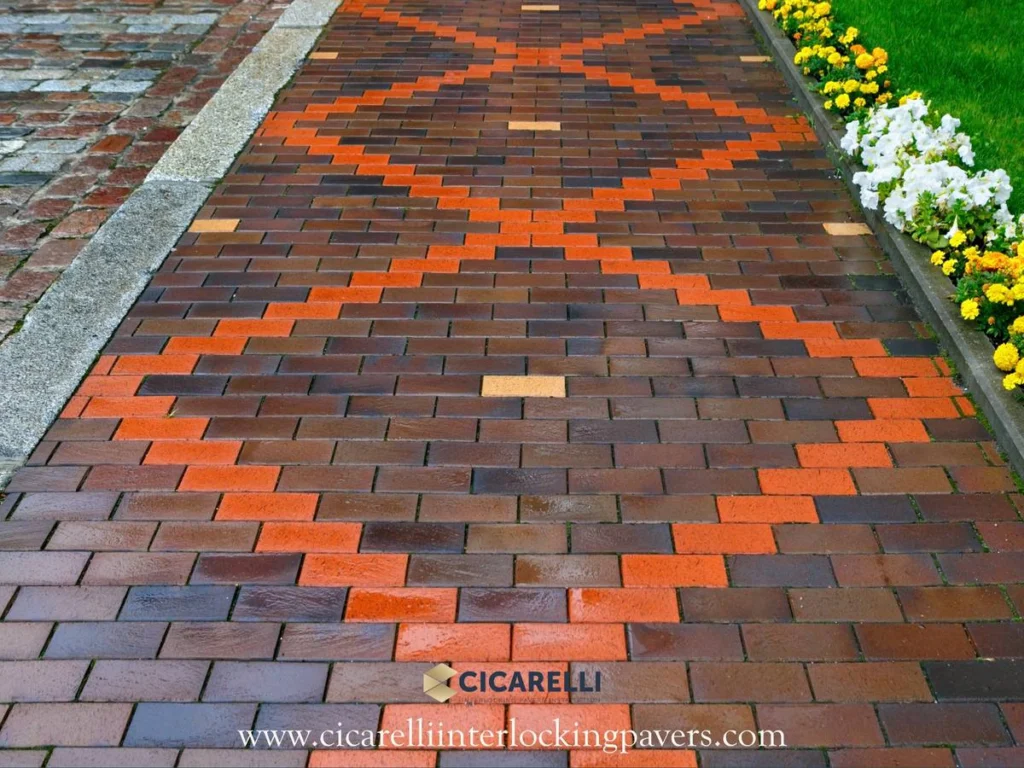
For concrete pavers, ask which manufacturer the contractor uses. Belgard pavers, for example, carry Belgard’s lifetime transferable limited product warranty. That covers the product; the installer’s workmanship warranty covers the installation. Ours is a 1-year workmanship warranty from completion on general construction.
Compare quotes by scope, not by the bottom line. Make sure each one lists demolition, excavation depth, base material and compaction, edge restraints, joint sand, drainage, cleanup and warranty. Two quotes that differ by thousands of dollars often differ in base depth or demolition, not in the pavers. Ask each contractor to explain every line.
A well-built front walkway supports curb appeal, which buyers judge first. In NAR’s 2023 Outdoor Features report, 92 percent of REALTORS said they have suggested sellers improve curb appeal before listing, and the landscape upgrade built around a flagstone walkway was estimated to recover 100 percent of its cost nationally.
Those are national estimates, and every market is different, but the pattern is clear: a clean, level path to the front door is one of the first things a buyer notices. Read more in our guide to outdoor projects that add value.
It depends on what the 400 square feet involve. Demolition of an old path, access for equipment, slope, drainage and the paver you choose all change the number, so the useful answer is a written estimate that lists each of those items for your walkway.
Usually not at installation. Poured concrete is typically cheaper up front because it is placed as one slab, while pavers are set by hand on a compacted base. Over time, pavers can be lifted and reset in one spot instead of cutting out and repouring a section, which can reduce long-term repair costs.
Every job has fixed costs: mobilizing a crew, delivering materials, bringing a compactor and cleaning up. On a short path, those costs are spread over fewer square feet, so the per-square-foot price rises. Combining a walkway with a patio or driveway project in one visit can make better use of those fixed costs.
A flat walkway on your own lot often does not need a building permit, but steps, retaining walls, grading or work on the public sidewalk can trigger permit requirements. Rules differ across Bay Area cities and counties, so confirm with your local building department. A licensed contractor should tell you what applies and who pulls it.
Sweep regularly, keep joints filled with sand and remove weeds early. According to the CMHA, weeds grow from windblown seeds lodged in joints, not from the base, and pressure washing can wash joint sand out. Sealing reduces stains and water intrusion. If a section settles, the pavers can be lifted and reset.
Often, yes. Cicarelli Contractors can quote from photos and sends a free, written estimate within 24 hours. Include the path length and width, what is there now and a few wide shots showing access. If access, slope or drainage is unclear, we offer a free site visit before pricing the job.
The only accurate paver walkway cost is the one built from your site: length, width, what comes out, how the water flows and how materials reach the work area. We serve nine Bay Area counties, and one crew handles demolition, base work and the new surface.
Cicarelli Contractors (CSLB #1109419) builds paver walkways and driveways from its Richmond base across Contra Costa, Alameda, Marin and the rest of the nine Bay Area counties, with the base and drainage priced as separate lines.
Send us photos and rough measurements, and we will reply with a free, written estimate within 24 hours, broken out by scope. Request your estimate here.