
Building an ADU on a Former Pool Site in the Bay Area: What the Ground Needs
Planning an ADU where your pool is or was? Here is what the ground needs: full removal, engineered fill, a compaction report and the…
Quick answer
Does a pool add value to a home, and will removing it raise the price? Not automatically. In the Bay Area, removal tends to help when the pool is old, unused or fills most of a small yard, and the space becomes a finished lawn, patio or buildable area. A well-kept pool may be worth keeping.
Related service: Pool removal services
Bay Area homeowners often ask us this question, usually right before listing a house or right after a big repair bill for the pool. The honest answer is that it depends on the home, the neighborhood and the buyers who will walk through it.
This guide does not promise a dollar figure, because no one can promise one for your house. Instead, it lays out when pool removal tends to help a sale, when it does not, and how to make the call with real numbers from your own market.
Sometimes, but not by a fixed amount. Removal can widen the pool of interested buyers and make a small lot feel larger, which can help price and time on market. It can also remove a feature some buyers want. The result depends on your neighborhood, lot size, pool condition and how well the yard is finished afterward.
You will find articles that quote a specific dollar gain from removing a pool. We have not seen a reliable, sourced study that isolates that effect for Bay Area homes, so we do not repeat those numbers. What we can tell you is what changes on the ground when a pool goes, and what buyers and inspectors look at.
The most useful evidence is local: recent sales of similar homes nearby, with and without pools. A listing agent who works your neighborhood can pull those comparables for you.

Removal is most likely to help when the pool is in poor condition, nobody in your market seems to want it, or it takes up most of a small backyard. In those cases, buyers may see the pool as a repair bill and a safety concern. A finished, usable yard is easier for them to picture living in.
Keeping the pool usually makes sense when it is in good condition, the lot is large enough that the pool does not crowd out other uses, and comparable homes nearby have pools. In warmer inland areas, some buyers search specifically for a pool. Removing a well-kept pool there may cost money without adding value.
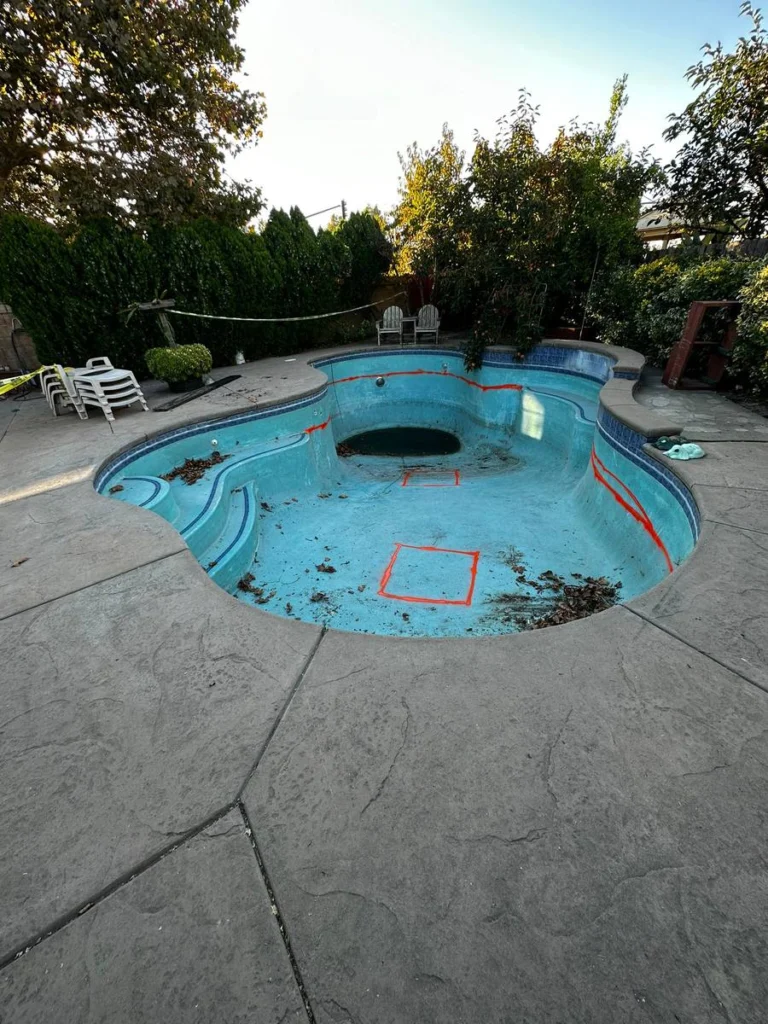
Cost matters too. If removal plus finishing the yard costs more than the price difference buyers will pay, the project does not pay for itself at sale. In that case, removal still might make sense for your own use, but it is a lifestyle choice, not an investment.
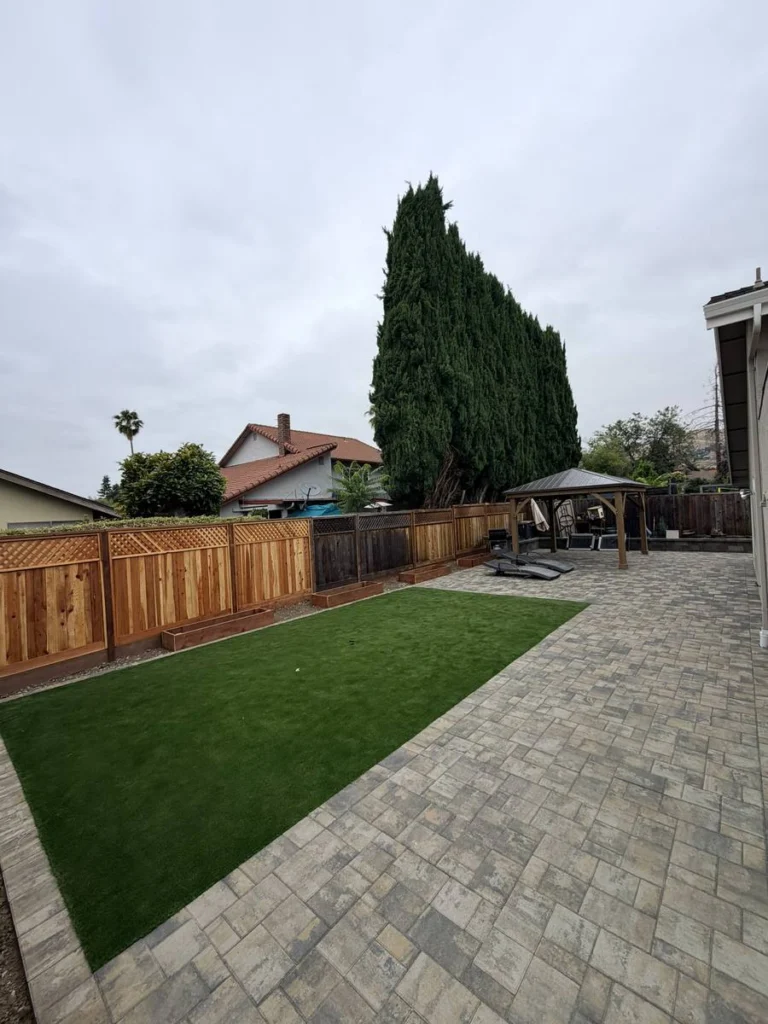
A half-finished yard is the worst outcome. A bare dirt rectangle where the pool used to be can look like an unfinished project to buyers. If you remove the pool, budget for the new surface as well.

A pool adds value only when local buyers want one and the pool is in good shape. To some buyers it is a highlight; to others it is maintenance, utility cost and a safety responsibility. That split is why the same pool can help one listing and hurt another, even in the same Bay Area county.
Condition is the swing factor. A clean, updated pool with good safety features reads as an amenity. An old pool with cracked finishes and outdated equipment reads as a project, and buyers tend to price in the cost of fixing or removing it.
In California, a home inspection for a house with a pool or spa must note its drowning prevention safety features. The report identifies which of seven listed features the pool has, and states if it has fewer than two. A pool that falls short adds a fix-it item to the buyer’s list during escrow.
That rule comes from California Business and Professions Code section 7195. If the pool is gone, that part of the inspection goes away. If the pool was filled in, buyers and their inspectors will want to know how it was done.
That is why records matter. Keep the demolition permit, the inspection sign-offs, and the compaction report if one was produced. On our jobs, we pull the permit, schedule the city inspections, and provide the engineering compaction report on full removals when the city requires it.
Full removal usually gives buyers the most confidence, because the shell is gone and the fill is documented, leaving the area open for future construction. Partial removal costs less and works well for lawns and gardens, but some cities limit what can be built over it. Ask your city before choosing, especially if you plan to sell.
For example, the City of Millbrae allows partial removal only for landscape or garden areas and requires complete removal under a structure, driveway, patio or deck. Contra Costa County requires a permit to demolish or abandon a pool, and often a grading permit too.
| Factor | Partial removal (fill-in) | Full removal |
|---|---|---|
| What stays underground | Lower part of the shell, broken and drained | Nothing from the pool shell |
| Best future use | Lawn, garden, artificial turf | Lawn, patio, pavers, or a future structure |
| Building over it later | Often limited by the city | Possible with engineered fill and a compaction report |
| What buyers may ask | How it was filled and whether it was permitted | Whether permits and compaction records exist |
| Relative cost | Lower | Higher |
Compare both methods in more detail on our full pool removal and partial pool removal pages.

Make the decision with numbers, not hunches. Ask a local agent how homes with and without pools have sold nearby, get a written removal and yard-finishing bid, and compare the two. If the expected difference in sale price or buyer interest beats the cost and time, removal makes sense.
One Google reviewer had a vinyl pool and deck removed and the area finished with artificial turf. Another had a concrete pool removed and pavers installed around a new garden. Those are the kinds of finished results buyers can picture using. Our post on outdoor living space and home value covers what to build next.
Only when local buyers want them and the pool is in good condition. In some neighborhoods, a well-kept pool is a selling point. In others, especially on small lots, buyers see upkeep, utility costs and safety concerns. Recent nearby sales of similar homes with and without pools are the best way to see how your market treats them.
It is a good idea when the pool is rarely used, needs expensive repairs, takes space you want for something else, or worries you as a safety risk. It is less sensible when the pool is in good shape and buyers nearby expect one. Decide what the space should become first, then compare the full cost against that benefit.
Consider it if the pool is old or damaged and comparable homes without pools sell well in your area. Do not remove it if the yard will be left unfinished before listing. Get a local agent’s view on comparables and a written removal bid, and leave time for permits, inspections and a finished surface before photos.
Not if it was permitted, inspected and documented. Buyers and inspectors may ask how the pool was filled, whether the shell was left in place, and whether a compaction report exists. Partial removal can limit future building over the area in some cities, so full removal often gives buyers more confidence when they plan additions or an ADU.
Common choices are lawn, artificial turf, a garden, a paver patio, or a fire pit area. A full removal with engineered, compacted fill can also prepare the site for a future structure such as an ADU, subject to your city’s approval. Plan the new use before demolition, because it decides which removal method you need.
It depends on your city’s permit review, the removal method, access, and inspection scheduling, plus the time to install the new surface. Field work can often be counted in days rather than weeks, but permits can add time. Ask your contractor for a schedule that names each inspection, and build in a margin before listing photos.
If you are wondering whether removing a pool will increase home value before a sale, start with two things: what buyers in your neighborhood are paying for, and a written bid that shows the real cost of removal and a finished yard.
Cicarelli Contractors (CSLB #1109419) removes pools for homeowners preparing to sell across Contra Costa, Alameda, San Mateo and Santa Clara counties, and pulls the permit and schedules the final inspection, the records buyers usually ask to see.
Cicarelli Contractors removes concrete, gunite, fiberglass and vinyl pools across nine Bay Area counties, and one crew handles both the demolition and the new surface. Send us photos of your pool and yard, and request a free, written estimate within 24 hours.